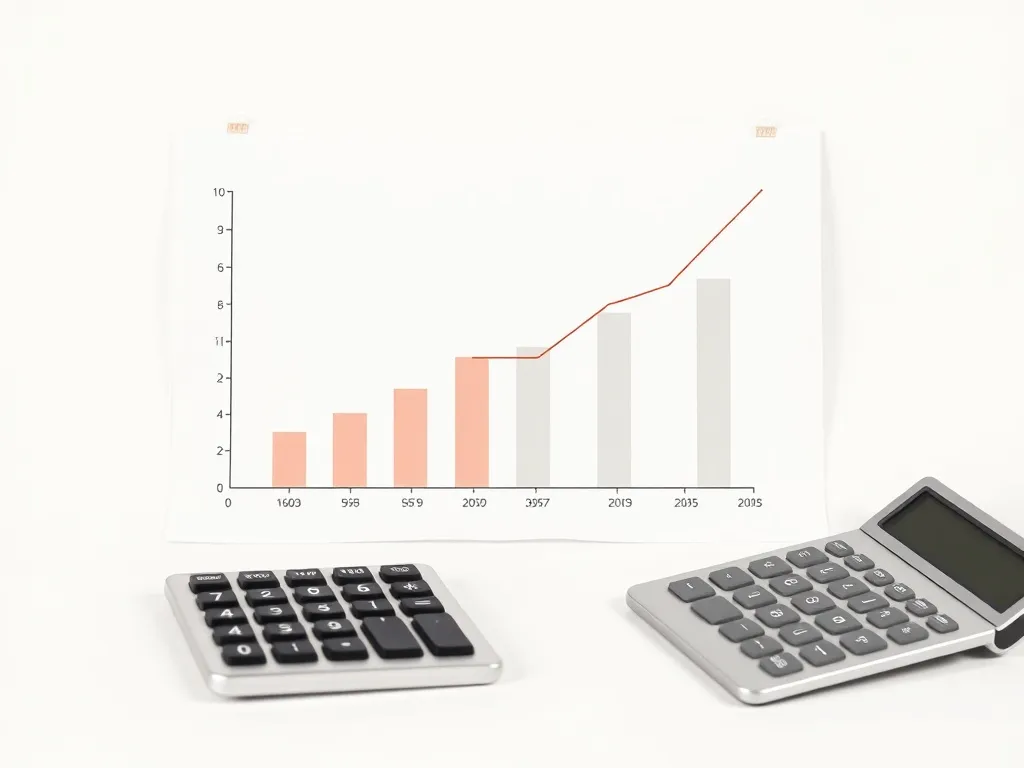
A minimalist overhead view of a clean wooden desk with a whi
Financial Preparation

Holiday Budgeting Systems.

Effective seasonal financial planning requires a minimum lead time of six months. By implementing structured savings protocols and tracking wholesale retail cycles, households can mitigate the inflationary pressures typical of the Q4 period.

Examine Strategies
Core Principles

Systematic Capital Allocation

Incremental Accumulation

Automated weekly transfers into dedicated accounts prevent the psychological friction associated with large lump-sum payments in December. Even small increments of $25 per week result in a $1,300 reserve over a standard annual cycle.

View Account Options

Market Cycle Tracking

Utilizing historical pricing data allows for purchasing during low-demand periods. For instance, luxury dry goods and decor often reach their lowest price points during late Q1 and early Q2 clearances.

Retail Calendar

Debt Mitigation

The primary goal is the avoidance of high-interest revolving credit. By pre-funding holiday expenses, consumers bypass the 19-24% APR typical of retail credit cards, preserving long-term net worth.

Debt Prevention

The Mechanics of Sinking Funds

A sinking fund is a strategic savings category designed for a specific purpose and a fixed timeline. Unlike a general emergency fund, which is reserved for unforeseen events, a holiday sinking fund addresses a predictable annual expenditure. Research suggests that households that separate these funds from their primary checking accounts are 64% less likely to exceed their intended budget.

When calculating your target amount, it is essential to include secondary costs such as postage, travel fuel, and increased utility consumption during winter months. In our community case studies, we observed that the most successful planners utilize high-yield savings vehicles to capture interest during the accumulation phase.

"Financial discipline is not about restriction; it is about the strategic allocation of resources to ensure liquidity when market demand is at its peak."

To maintain the integrity of the fund, the account should be "out of sight." Utilizing a secondary bank or a digital-only institution can provide the necessary barrier to impulsive spending. We have found several high-yield options in Canada that offer competitive rates without monthly maintenance fees.

Implementation Roadmap

Execution Timeline

01 / JAN-MAR

Audit and Setup

Review the previous year's expenditures to establish a realistic baseline. Set up an automated transfer to a dedicated high-yield account. This phase is about establishing the infrastructure before the consumer cycle resets.

02 / APR-AUG

Off-Season Acquisition

Monitor inventory clearances. Purchase non-perishable goods and durable items when demand is low. This period offers the highest ROI on capital expenditure due to lack of seasonal competition.

03 / SEP-NOV

Finalization and Freeze

Complete all high-ticket purchases before the "December Surge." Stop adding new items to the list to prevent scope creep. Focus on maintaining liquidity for final logistical requirements.

Plain Home Paper operates as an autonomous informational project and reference library. This platform is not affiliated with, endorsed by, or partnered with any government departments, public financial institutions, commercial banking suppliers, or specific retail brand owners. All information provided is for educational reference only.