Market Intelligence

Retail Discount
Calendar

A technical breakdown of annual retail cycles. Understanding price fluctuations and clearance patterns allows for strategic purchasing and significant long-term savings for holiday preparations.

Minimalist overhead shot of a clean paper calendar and a met
Common Inquiries

Cycle Analysis FAQ

When is the absolute lowest price point for consumer electronics?

Data shows that electronics hit their lowest price points during the late November window and again in January during post-holiday liquidation. While Black Friday offers specific doorbuster deals, the January clearance cycle often provides better value on higher-end models as retailers make room for new inventory announced at trade shows.

How do seasonal shifts affect grocery and bulk goods?

Bulk goods follow a quarterly rotation. For holiday preparation, purchasing non-perishable items during September and October is optimal. This avoids the "demand surge pricing" that typically occurs in the first two weeks of December when logistics costs peak.

Is Cyber Monday more effective than Black Friday?

Statistically, Black Friday remains superior for hardware, appliances, and physical goods. Cyber Monday specializes in software, travel bookings, and digital services. For physical gifts, the Friday window provides broader inventory availability.

Sector Analysis

Seasonal Price Fluctuations

Retail pricing is not static; it is a calculated response to inventory aging and storage costs. By tracking these fluctuations, consumers can predict when a product will transition from full-price to clearance.

Q1: Liquidation

Heavy focus on winter apparel and fitness equipment. Retailers purge holiday overstock to improve balance sheets for the new fiscal year.

Q2: Home & Garden

Peak discounts on indoor furniture and kitchen appliances. Late Spring is the optimal window for upgrading hosting equipment.

Q3: Back to School

Computing hardware and office supplies reach their lowest price points outside of the November window. Ideal for tech gifts.

glyph-social

Q4: Peak Retail

High volume, high volatility. Focus on electronics, toys, and luxury goods. Requires strict adherence to a pre-defined budget.

Strategic Timing

Black Friday:
Beyond the Hype

Retailers utilize Black Friday as a primary tool for inventory turnover. Analysis of historical price data suggests that 60% of advertised deals are repeated throughout the year, but the remaining 40% represent genuine annual lows. Specifically, mid-range televisions and kitchen appliances see their most significant price reductions during this window.

Effective strategy requires identifying these "true" discounts versus "manufactured" sales. For more information on managing the financial impact of these periods, consult our Interest Rate and Debt Management guide to ensure seasonal spending doesn't lead to high-interest debt.

  • 01. Track prices 6 weeks in advance to establish a baseline.
  • 02. Prioritize "Door-buster" items which often sell below cost.
  • 03. Utilize price protection features on credit cards if available.

Close up of a digital tablet showing a clean line graph with
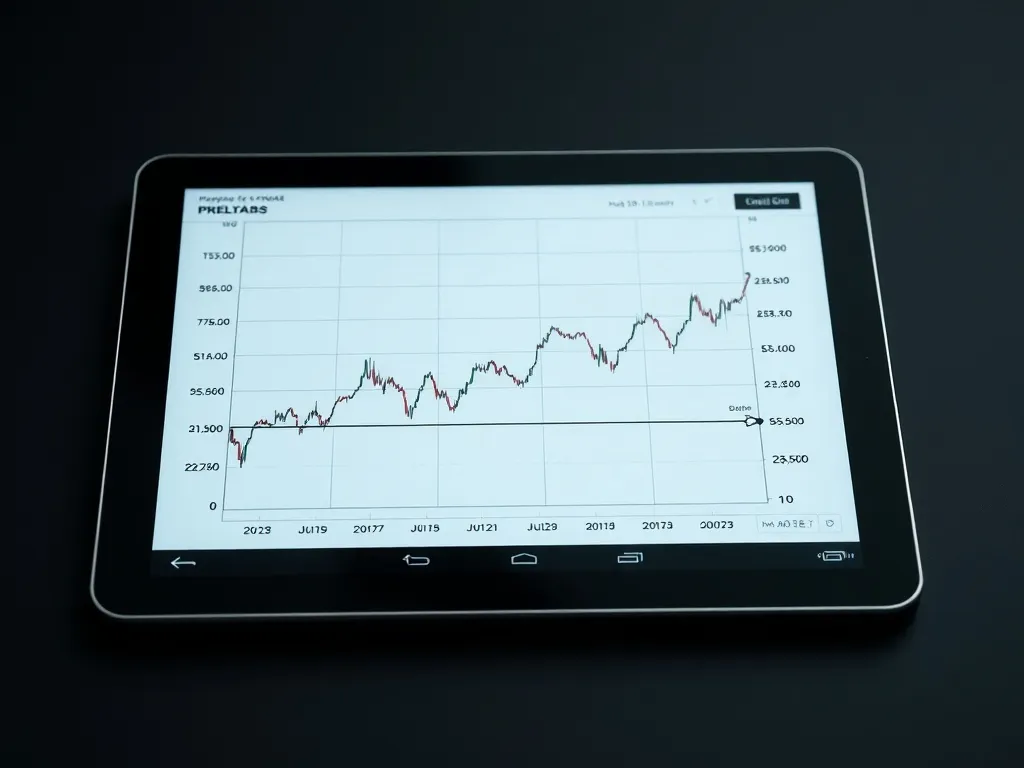
Fig 1.1: Historical price volatility during Q4 retail peaks.

Clearance Cycle Mapping

Most major retailers operate on a 6-to-8 week clearance rotation. Once a product enters the clearance phase, prices typically drop in 25% increments every 14 days until the inventory is depleted.

Pro Tip

Check the bottom right corner of price tags. Many retailers use specific digits (e.g., ending in .97 or .88) to indicate final markdown status.

Category Best Month Typical Discount Reasoning
Bedding/Linens January 40-60% "White Sales" tradition to boost Q1 traffic.
Outdoor Gear August/Sept 50-70% End of summer season floor space reclamation.
Major Appliances September 30-40% New models arrive from manufacturers.
Toys July & Jan 50-75% Semi-annual inventory resets.

Bulk Purchase Timing

For those looking to optimize their holiday budget, purchasing non-perishable goods in bulk during market lulls is essential. By integrating these habits with holiday budgeting resources, you can distribute the financial weight of the holidays across twelve months rather than two.

"The most efficient way to save is to decouple the act of purchasing from the moment of need. Buy when the market is oversupplied, not when your demand is highest."